Maria Auxiliadora
localeString
27 March 2018
Magazine América Latina Magazine
Words Luísa Lombardi
2 min read
With seven thematic axes, the exhibition gathers the largest number of paintings by the artist ever presented.
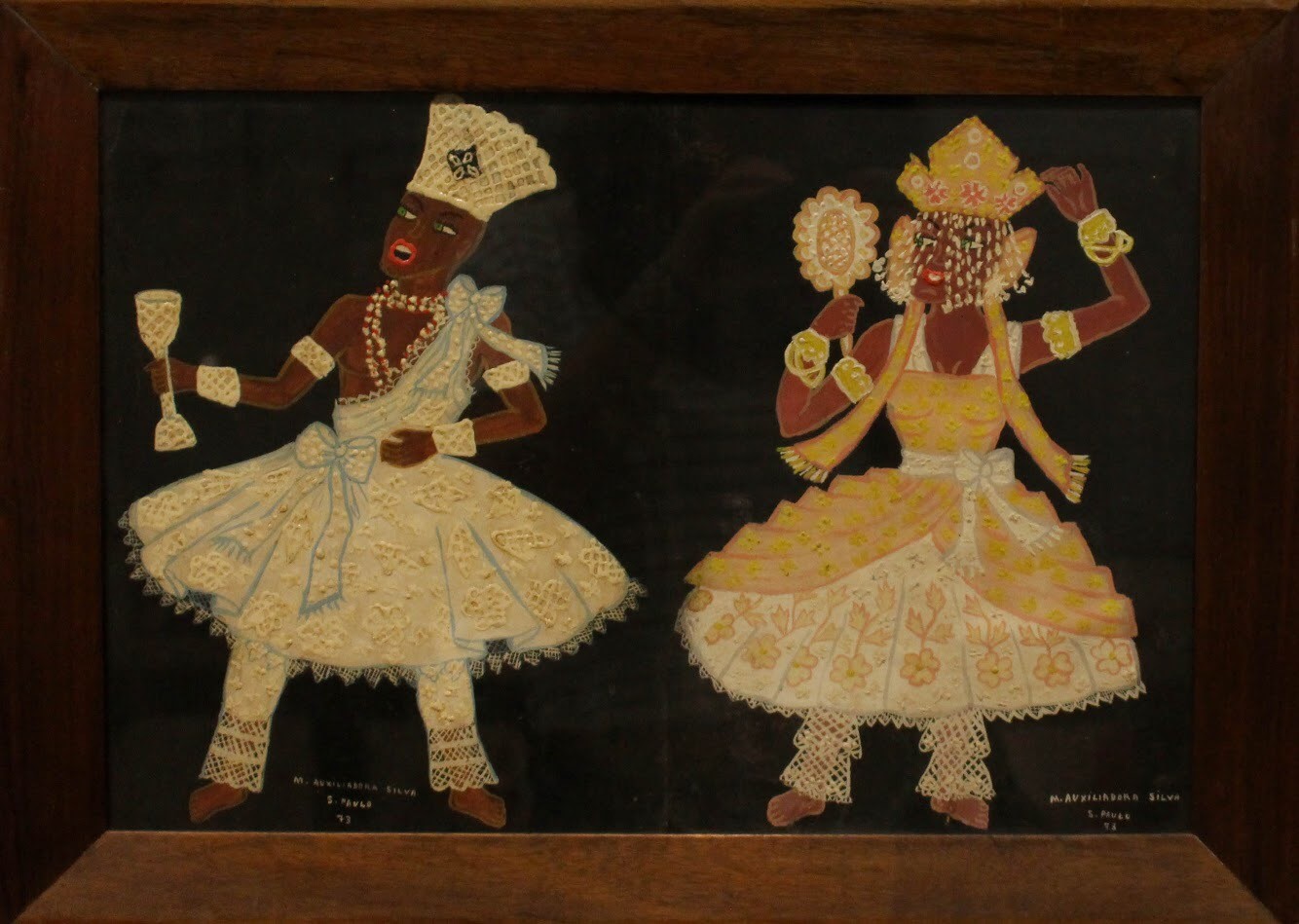
Maria Auxiliadora was born in the city of Campo Belo, Minas Gerais, in 1935, but moved to São Paulo as a child. She worked as a maid for a long period of her life but always had an affinity for art, though she would only devote herself exclusively to painting at the age of 32. With exhibitions that reexamine the terms "primitive" and "naive", questioning paternalistic and prejudiced views, part of MASP's current programming is directed at a greater understanding of self-taught artists such as Maria Auxiliadora, who are part of Brazilian art history. The techniques she uses to paint are very unique and fail to obey academic norms. Her paintings are characterized by their vibrant colors and reliefs on the canvas.
Maria Auxiliadora: vida cotidiana, pintura e resistência (Maria Auxiliadora: daily life, painting and resistence) has seven thematic axes ("Self-portraits", "Couples", "Interiors", "Public Demonstrations", "Candomblé, Umbanda and Orixás", "Rural" and “Urban”), which dialogue directly with the painter's reality, and gathers the largest number of paintings by the Afro-Brazilian artist ever presented in one exhibition. Curated by Adriano Pedrosa and Fernando Oliva, the exhibition is part of the series Afro-Atlantic Stories, which MASP has adopted for the year 2018. The exhibition remains open to the public until June 10, 2018.
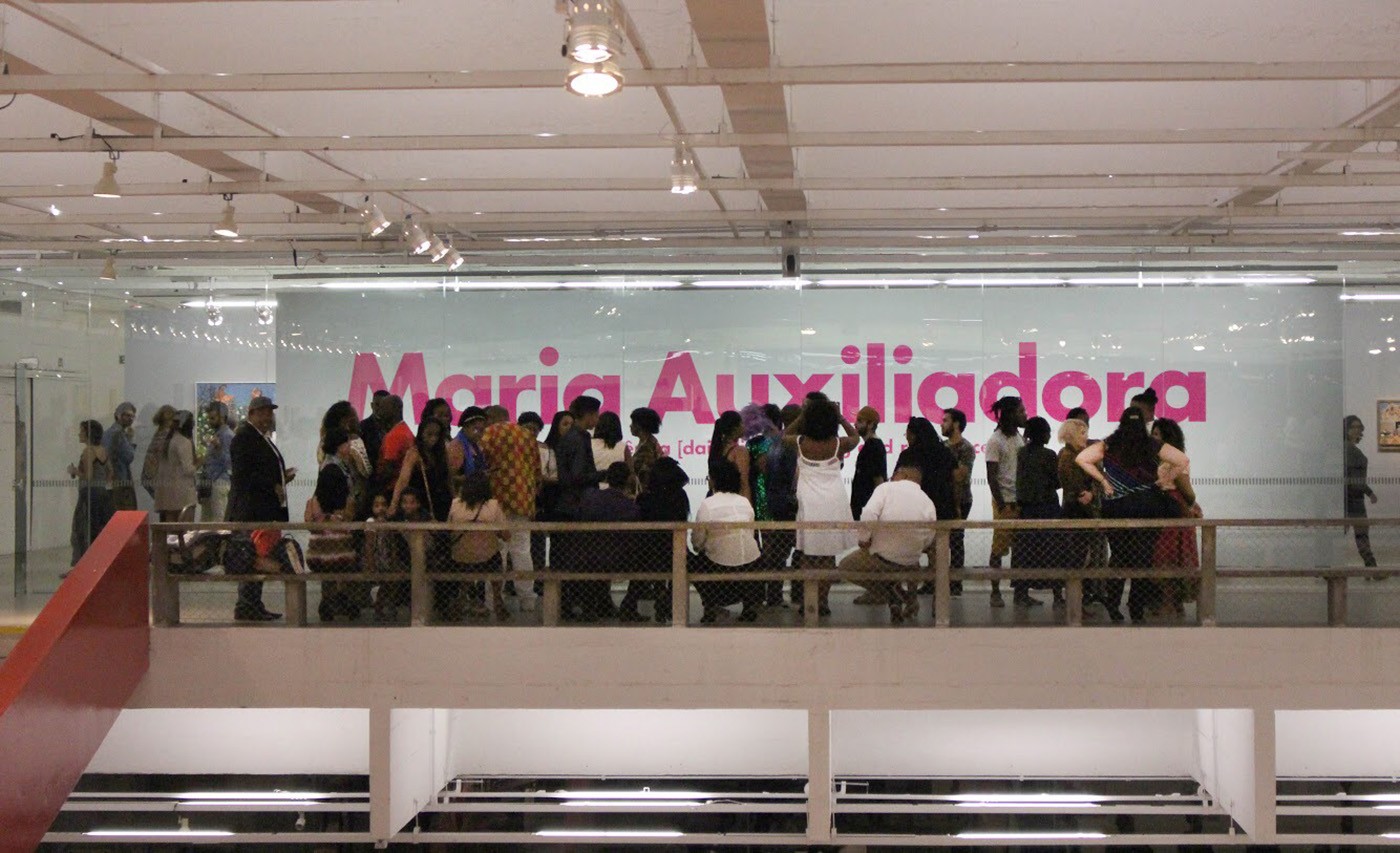
Opening of the exhibition with works by Maria Auxiliadora
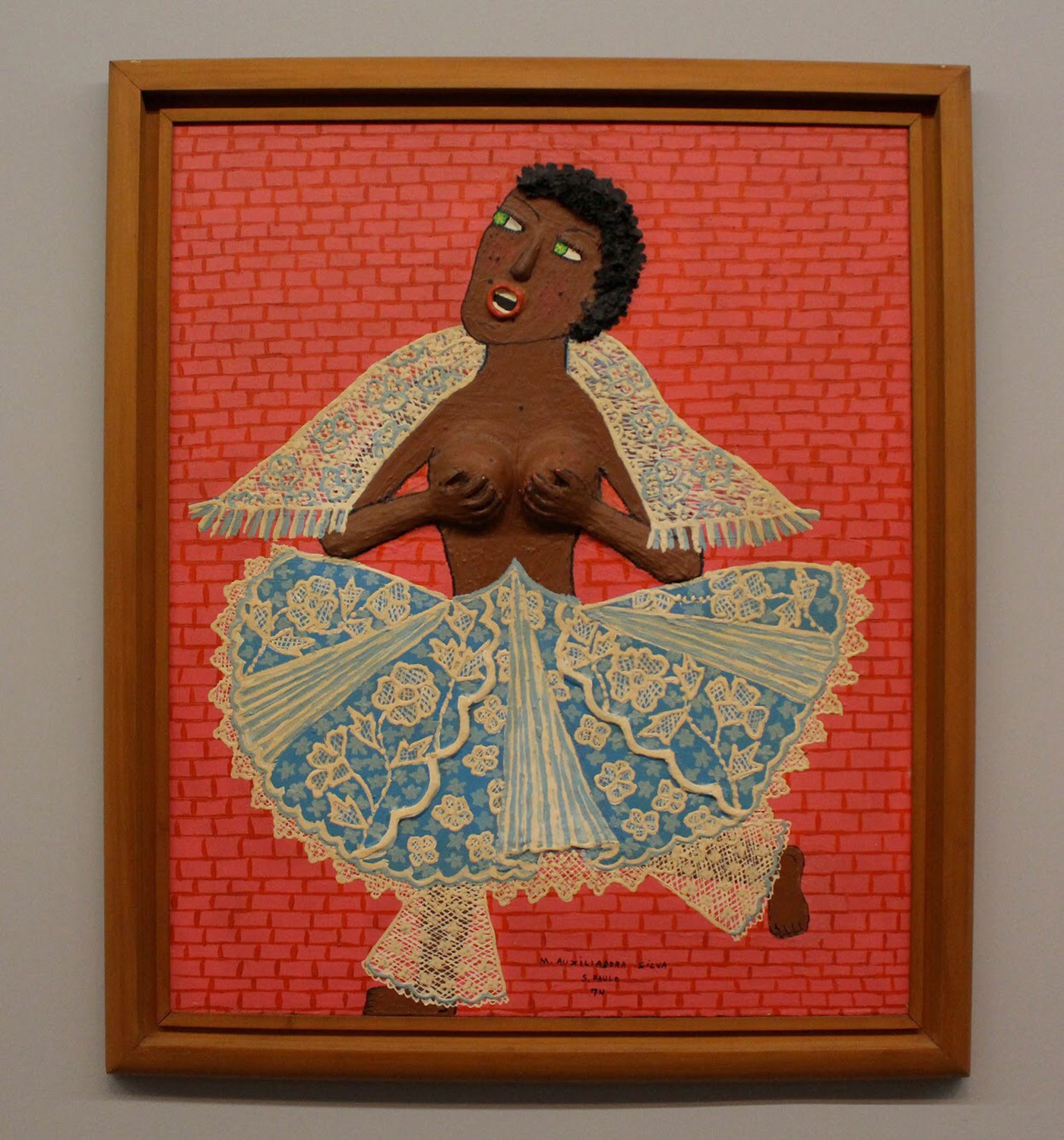
Yemanjá holding her breasts, 1974. Irapoan Cavalcanti
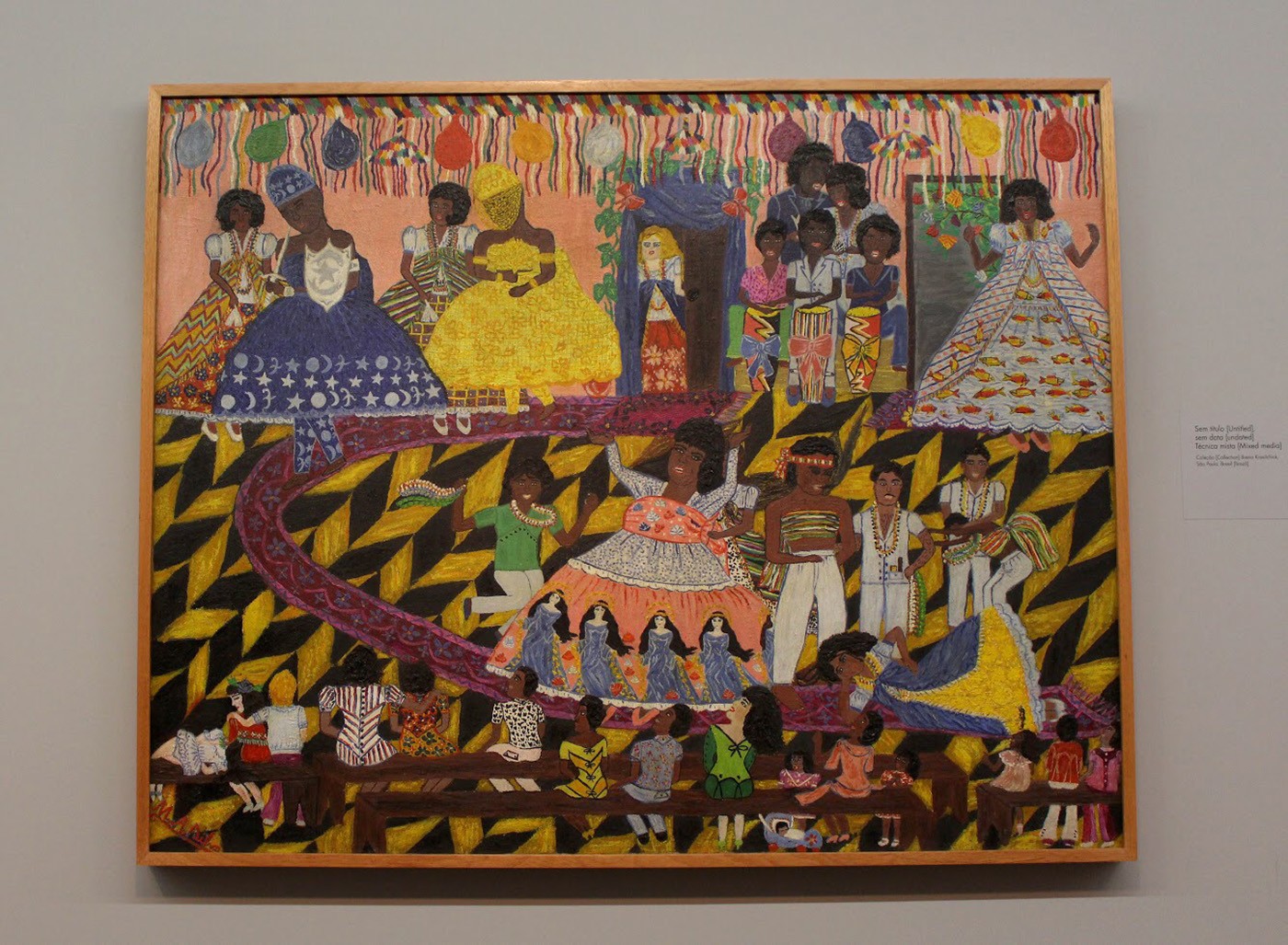
Untitled, no date. Breno Krasilchick Collection, São Paulo, Brazil
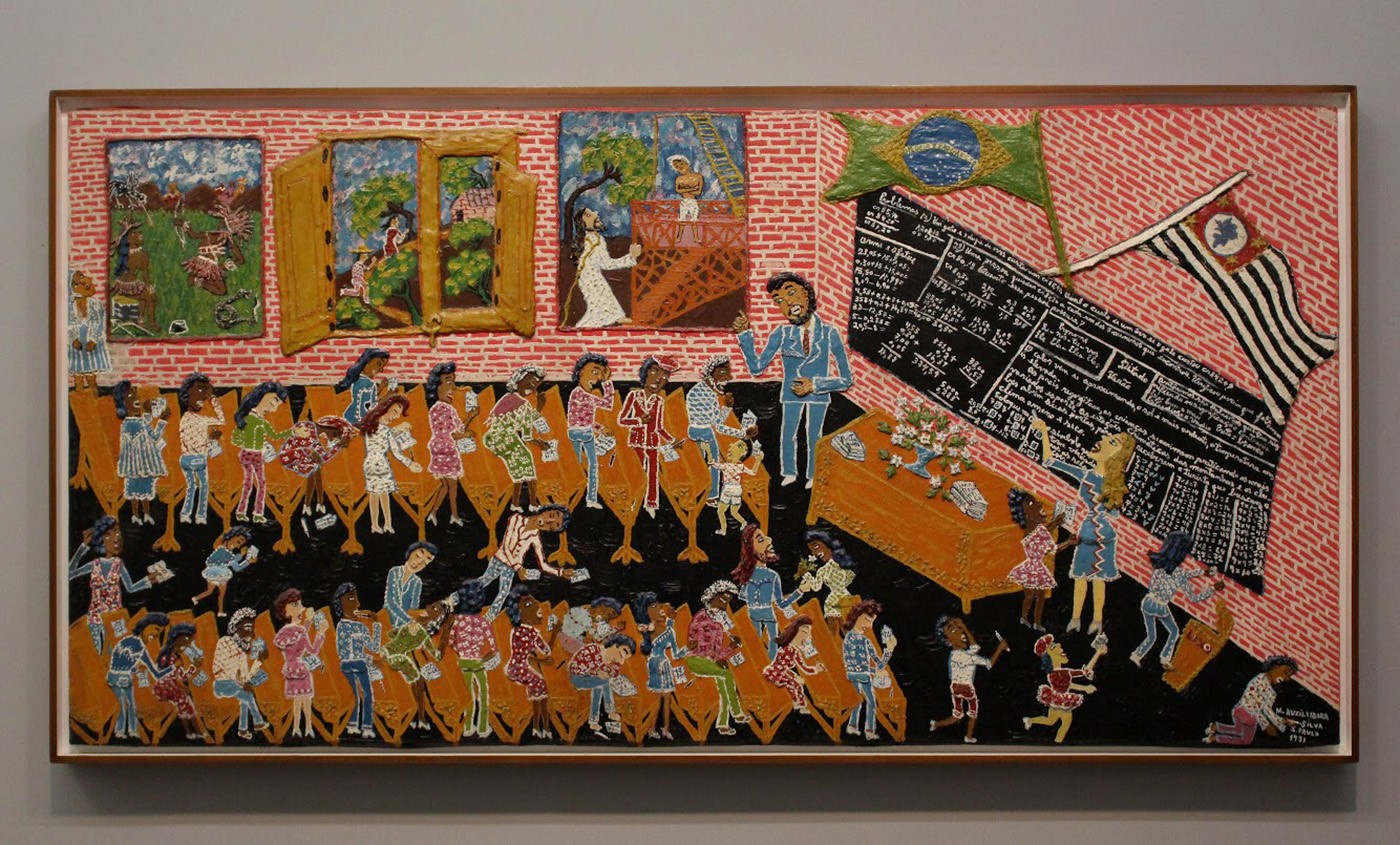
Mobral, 1971. Paulina and Moses Pinsky Collection, São Paulo, Brazil
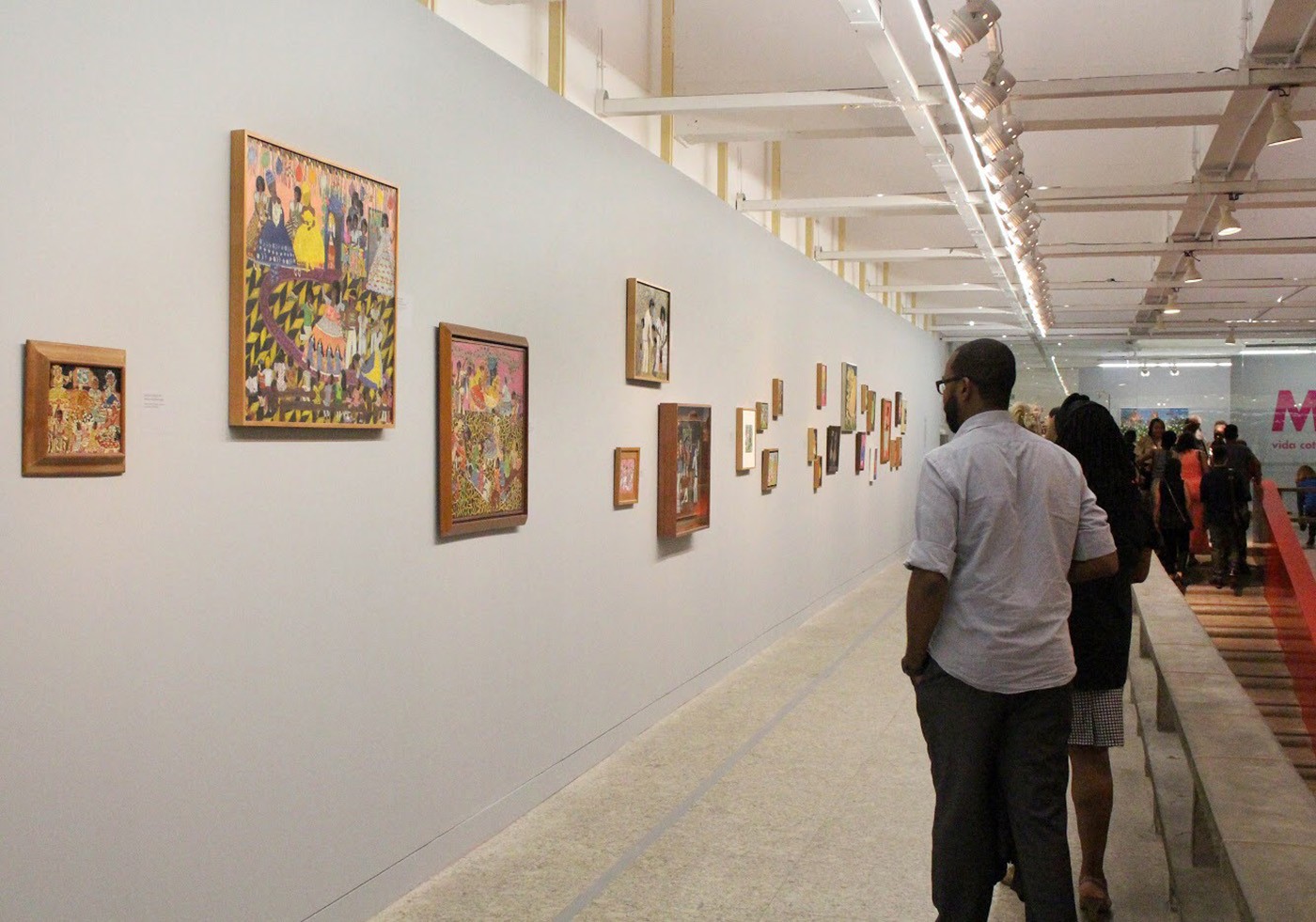
“Maria Auxiliadora: vida cotidiana, pintura e resistência” Exhibition
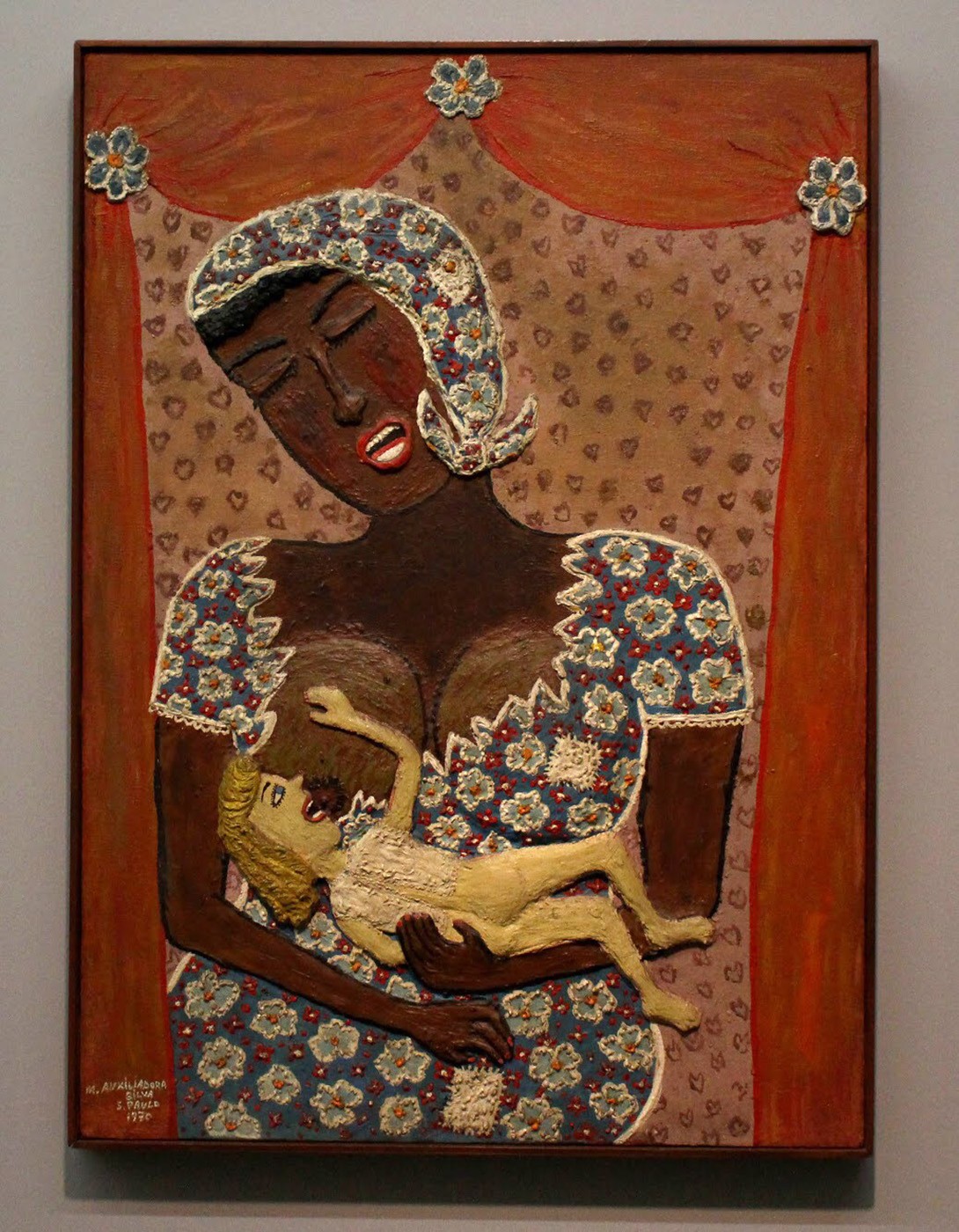
Untitled (wet nurse), 1970. Silvia and Mario Gorski Collection, São Paulo, Brazil
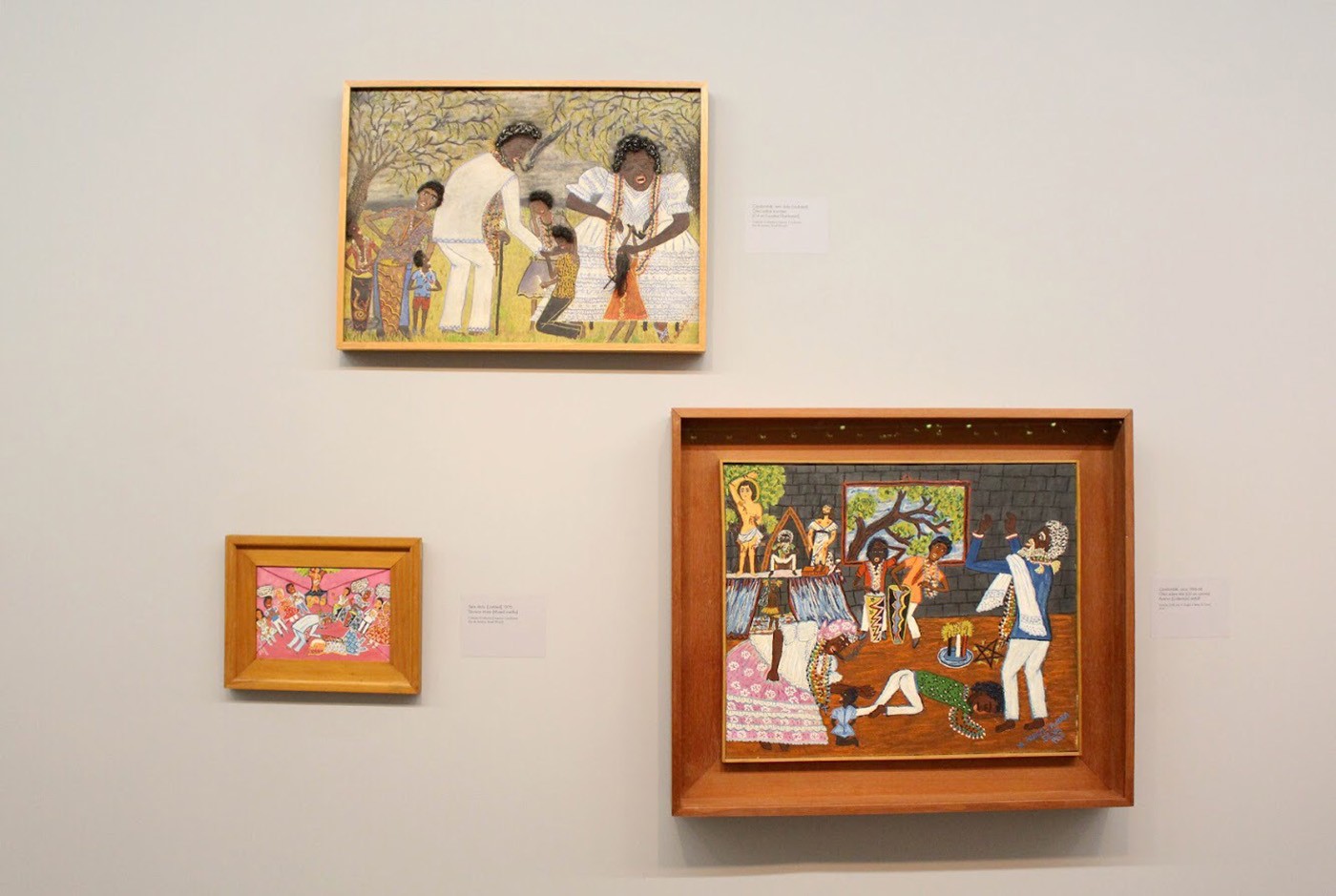
Three works: Candomblé, no date. Irapoan Cavalcanti Collection, Rio de Janeiro, Brazil / Untitled, 1970. Irapoan Cavalcanti Collection, Rio de Janeiro, Brazil / Candomblé, ca. 1966-68. Donated by Laís H. Zogbi and Telmo G Porto, 2018
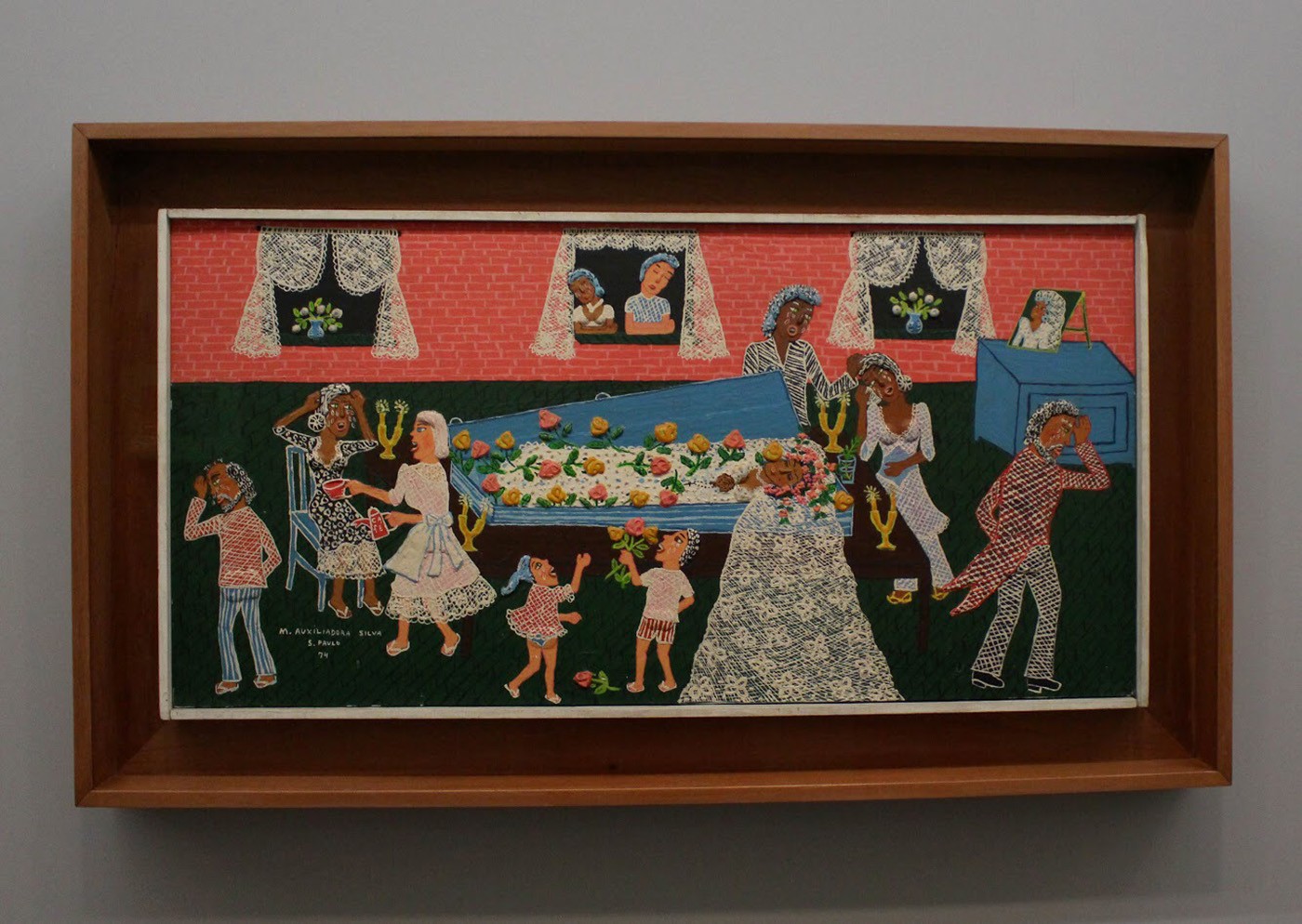
Bride's wake. 1974, MASP Collection, donated by Fundação Edson Queiroz, 2015
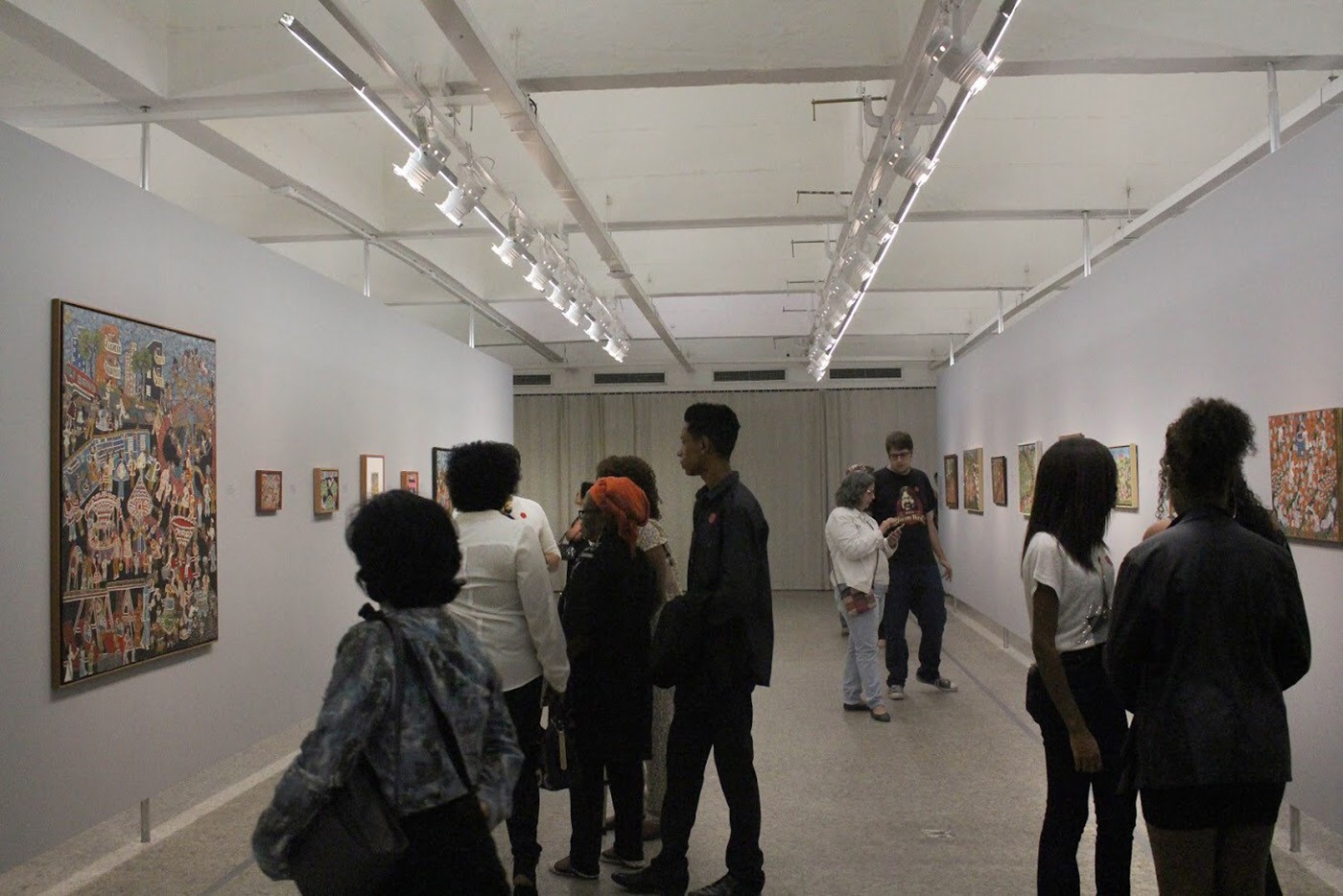
“Maria Auxiliadora: vida cotidiana, pintura e resistência” Exhibition
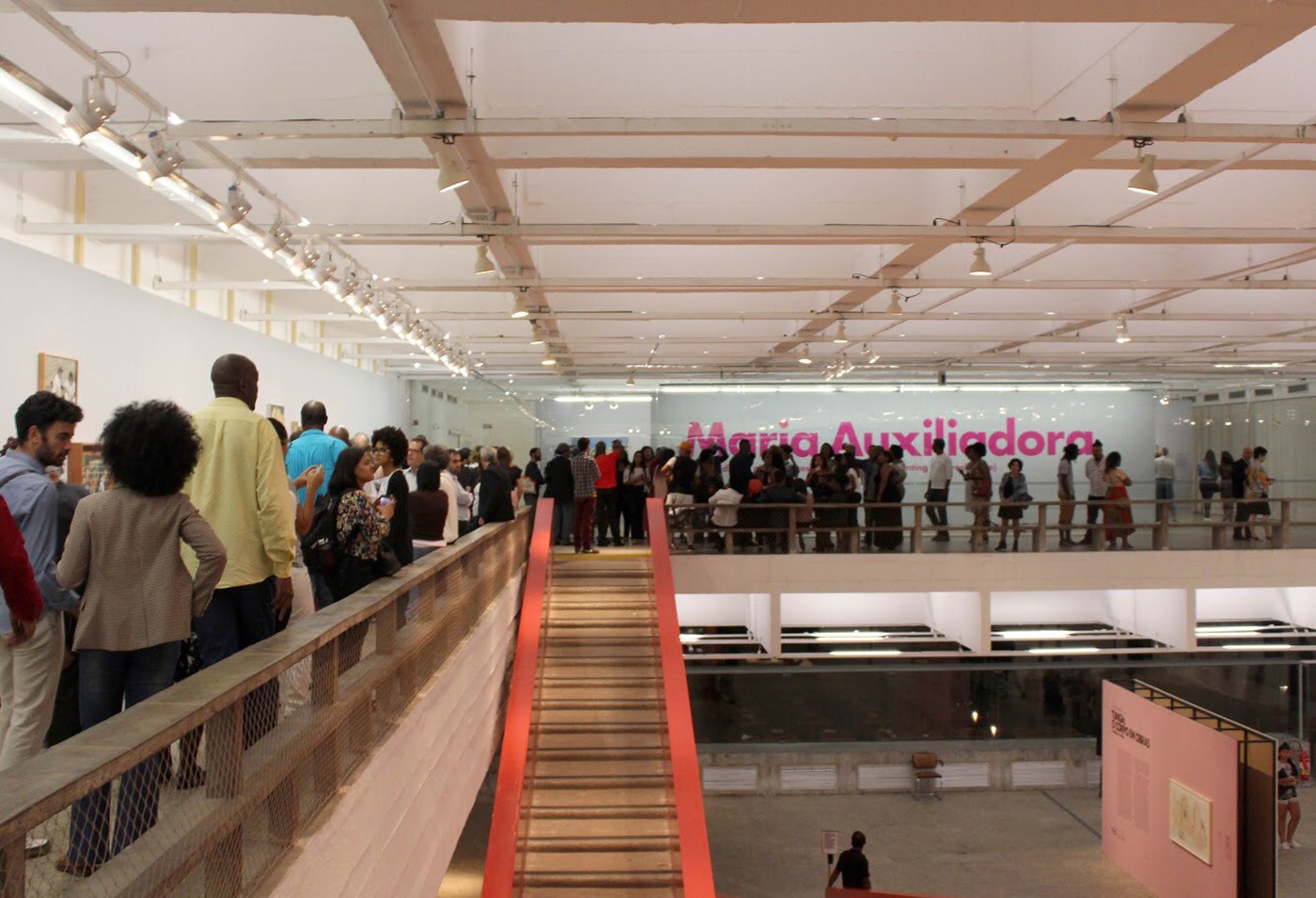
“Maria Auxiliadora: vida cotidiana, pintura e resistência” Exhibition
Advertising
Read more from
Flooded Memories
Roots: Beginning, Middle, and Beginning
Veronica Ryan: Unruly Objects
Read more from