Masp announces new curators for Indigenous Art

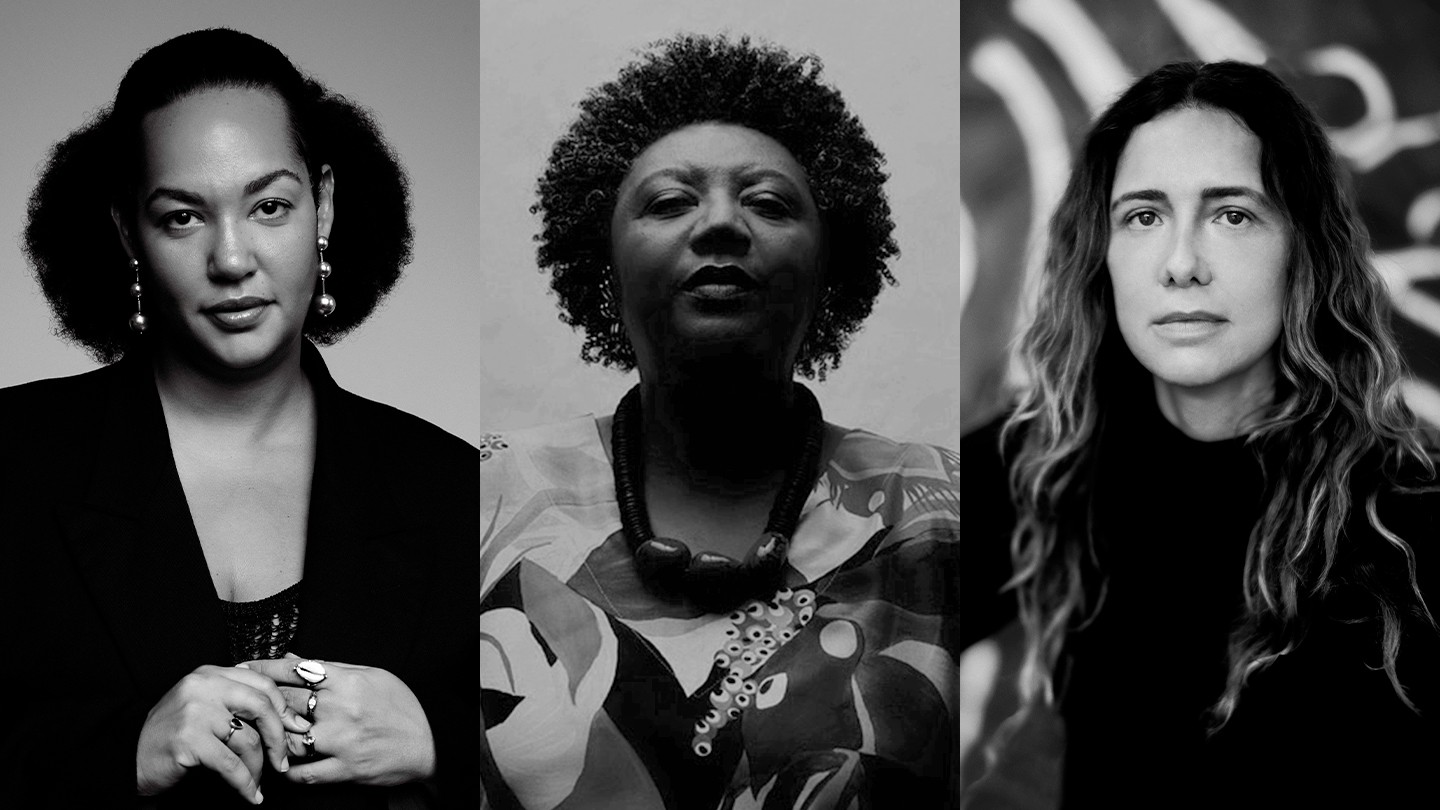
Caption: Kássia Borges Karajá, Renata Tupinambá and Edson Kayapó. Press Photo
21 December 2022
Magazine América Latina Magazine
2 min de lectura
Edson Kayapó, Kássia Borges Karajá and Renata Tupinambá are the new Curators-at-Large of Indigeneous Art at Masp
Museu de Arte de São Paulo Assis Chateaubriand (MASP) is pleased to announce Edson Kayapó, Kássia Borges Karajá and Renata Tupinambá as the museum's new Curators-at-Large of Indigeneous Art. The three curators were chosen in consultation with a group of leading Indigenous cultural practioners in Brazil.
Together, they will be responsible for advising the museum regarding the presence of and relationship with Indigenous art and artists at MASP, in terms of program and collection. More specifically, Kayapó, Karajá and Tupinambá will also curate a number of sections in the major group exhibition Indigenous Histories, along with other Indigenous curators from different parts of the world. The show is scheduled to take place in the second half of 2023, and continues the series of exhibitions dedicated to the different histories at MASP—such as Histories of Sexuality (2017), Afro-Atlantic Histories (2018), and Feminist Histories (2019), among others. Indigenous Histories will be held in the context of a yearlong program of exhibitions, publications, workshops, courses, and talks dedicated to Indigenous art and culture at MASP.
Edson Kayapó, a member of the Mebengokré people situated in the Amazon forest, is a writer with a PhD degree in Education, a professor at the Federal University of the Southern Bahia - UFSB and the Federal Institute of Bahia - IFBA and member of the Indigenous Parliament of Brazil.
Kássia Borges Karajá, a member of the Karajá people from the center region of Brazil, is an artist, researcher, curator, and professor at the Federal University of Uberlândia. She holds a PhD degree from the Federal University of Amazonas.
Renata Tupinambá, from the Tupinambá people in the Southeastern coast of Brazil, is a journalist, screenwriter, and a curator. She has worked in many projects disseminating Indigenous cultures and histories with a particular emphasis on audio, radio and film and founder of Originárias Produções [Productions].
Publicidad
Más artículos de
Revisando la ausencia de América Latina en los debates sobre arte afrodiaspórico
Macuxi Jaider Esbell: una vida indígena arrancada por el extractivismo epistémico