Codes of Coupling – Group Show
1 Abril 2020
Revista C&
4 min de lectura
The exhibition runs on a subjective desire to show and revisit works that communicate with Mahmoud Khaled’s own artistic consciousness. An experiment of relatability informs the choices – an ode to a repository of images, past works and ideas of others that converse with the curating artist’s own questions and concerns, as such. The exhibition …
The exhibition runs on a subjective desire to show and revisit works that communicate with Mahmoud Khaled’s own artistic consciousness. An experiment of relatability informs the choices – an ode to a repository of images, past works and ideas of others that converse with the curating artist’s own questions and concerns, as such. The exhibition toys with a longstanding strategy of euphemistic visualization – a system of symbolism, metaphors and cyphers that are meant to denote passion or indiscretions, like the image of a violently erupting fountain in a black and white film.
With works by Hassan Khan, Jonathas de Andrade, Mohamed Al-Bakeri, Mohammad Shawky Hassan and nasa4nasa.
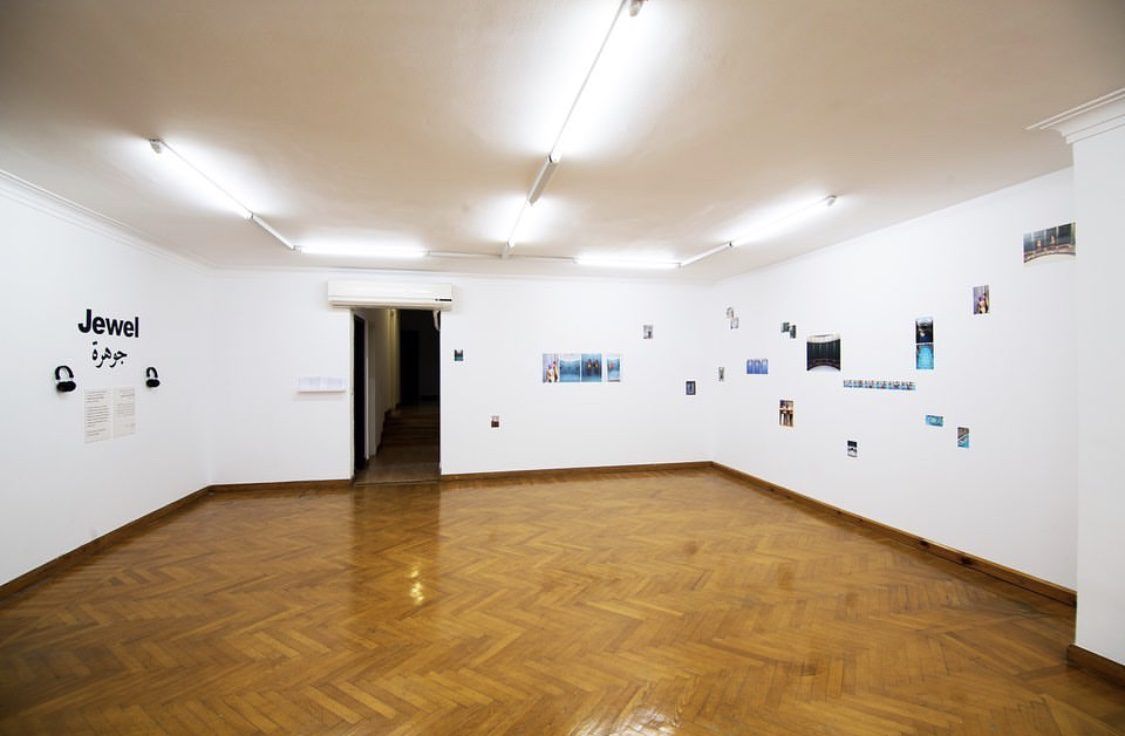
Installation view of the group show Codes of Coupling at Gypsum Gallery Cairo.
In revisiting his work Jewel (2010), Hassan Khan responds to the curator’s request to unpack questions that ran through the video’s 6-minute loop by producing commentary rather than a new artwork. “Jewel” brings together a deep-sea fish, original music and a dance performed by two men in a suspended space. While the choice of clothes and demeanor denotes different historical and social backgrounds, various sometimes conflicting registers are evoked over the duration of the piece; including intimacy, hostility and friendship amongst others. The work is an elusive “conversation” that is both organic and meticulously choreographed. In No Comment (2020), Khan creates a commentary on this performance as it might appear in mainstream media, by evoking (while avoiding imitation) the strategies and forms of delivery of a famous Egyptian TV presenter. This commentary is authored by Khan and performed by Andeel.
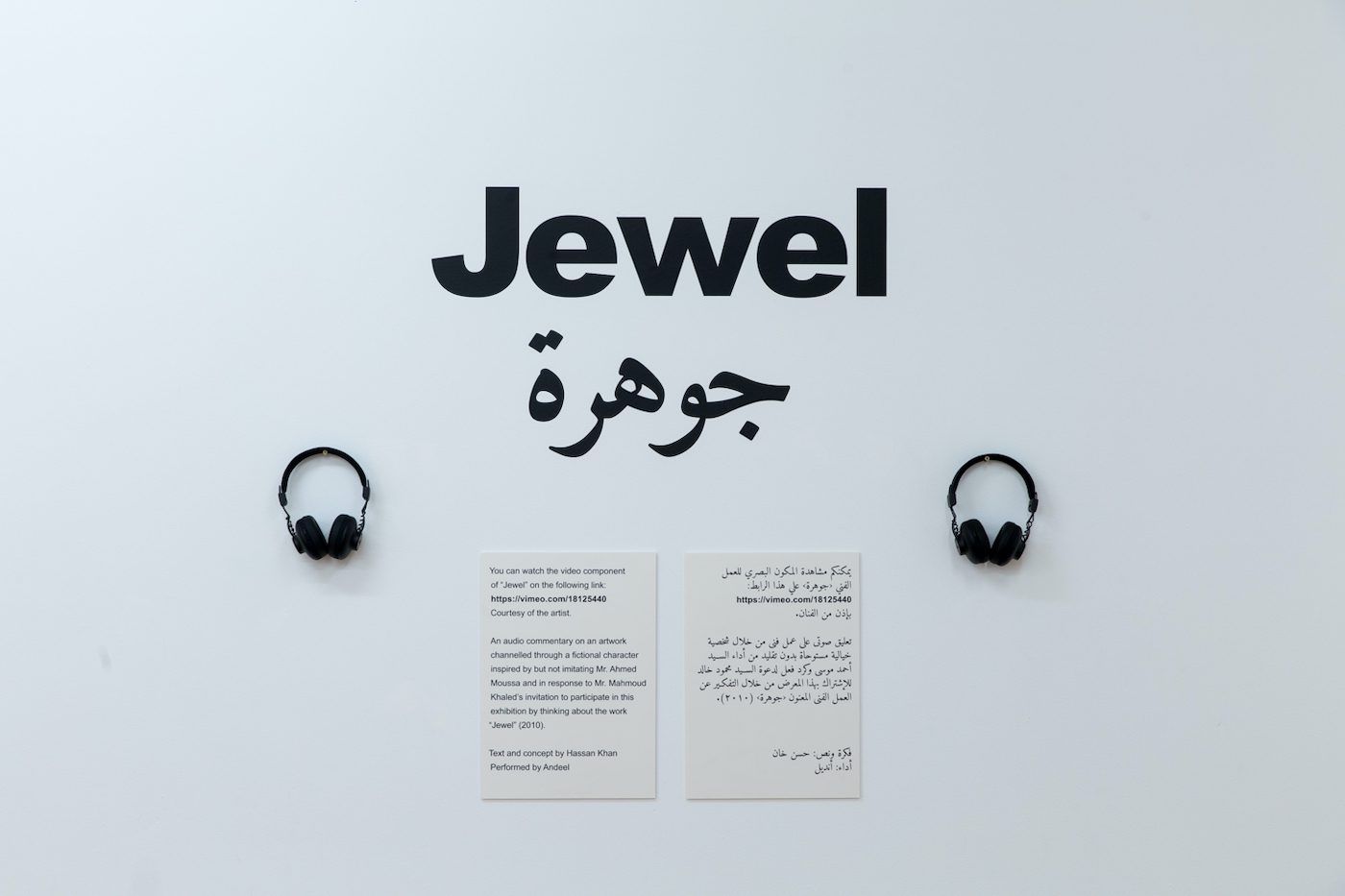
Hassan Khan, Jewel, 2010. Installation view of the group show Codes of Coupling at Gypsum Gallery Cairo.
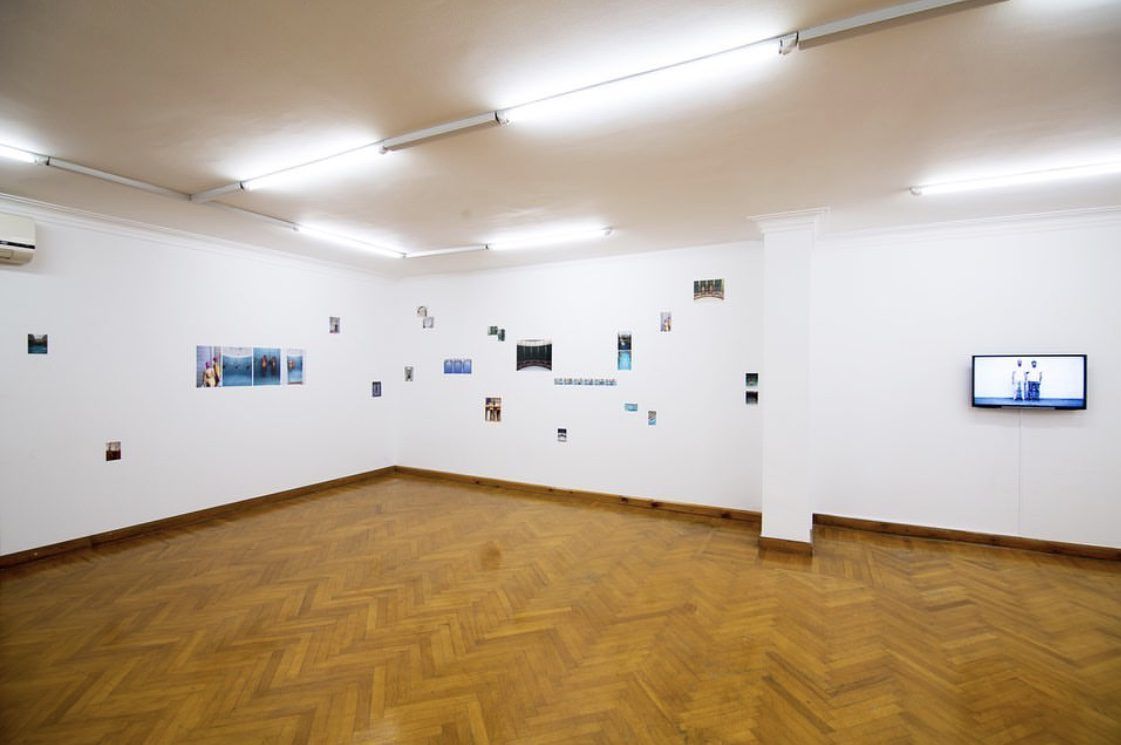
Installation view of the group show Codes of Coupling at Gypsum Gallery Cairo.
In Between Men (2019), Mohamed Al-Bakeri creates an abstracted representation of everyday social gestures between men in a city such as his hometown, Cairo. The coded body movements generate a visual language that is recognizable even when broken down to its smallest units. Performed in repetition, their impact, speed and duration reaffirm the existence of a system. Al-Bakeri’s research began with recording live footage and collecting sound samples on the street, public transportation and in coffee shops.
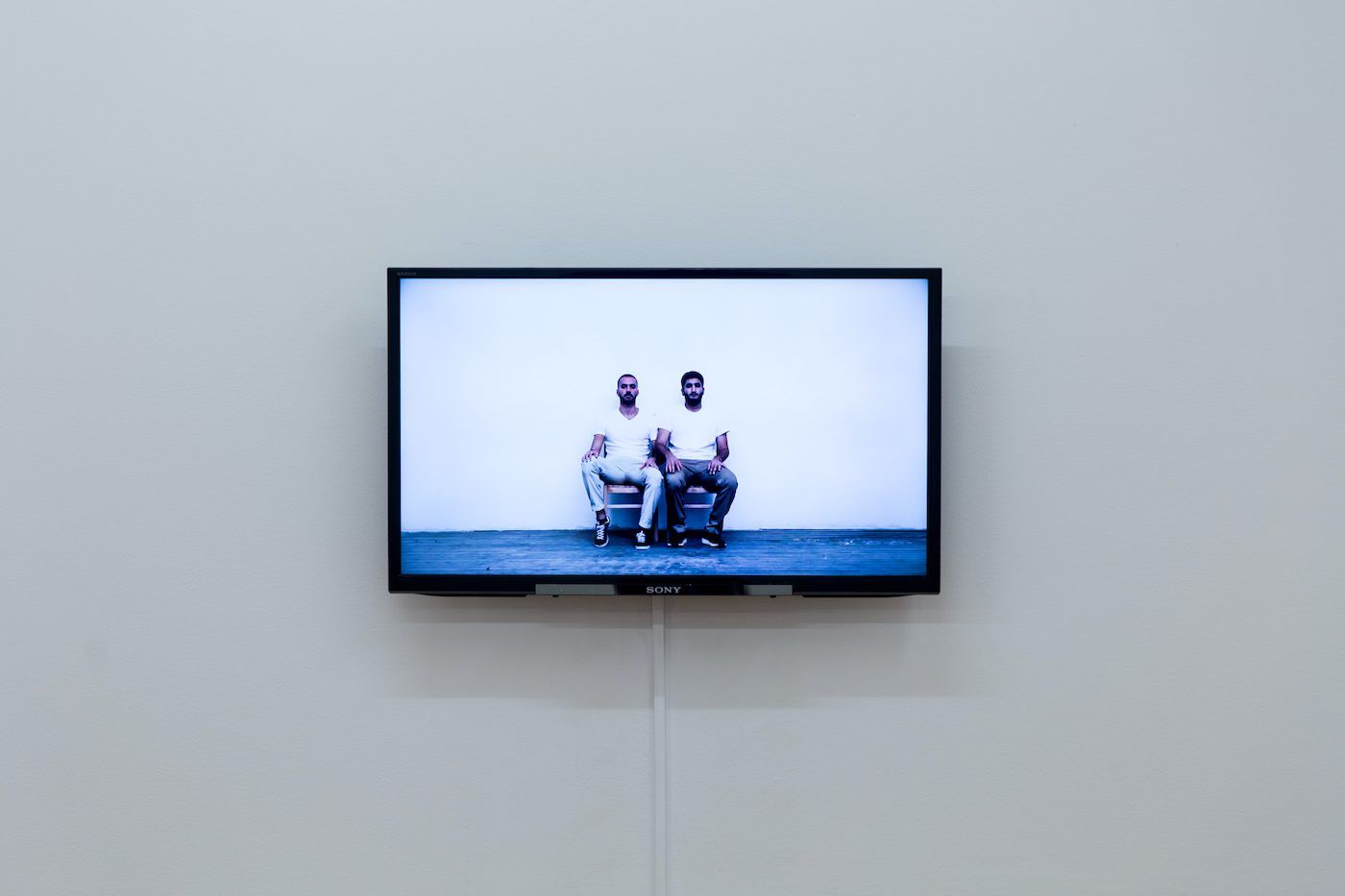
Mohamed Al-Bakeri, Between Men, 2019. Installation view of the group show Codes of Coupling at Gypsum Gallery Cairo.
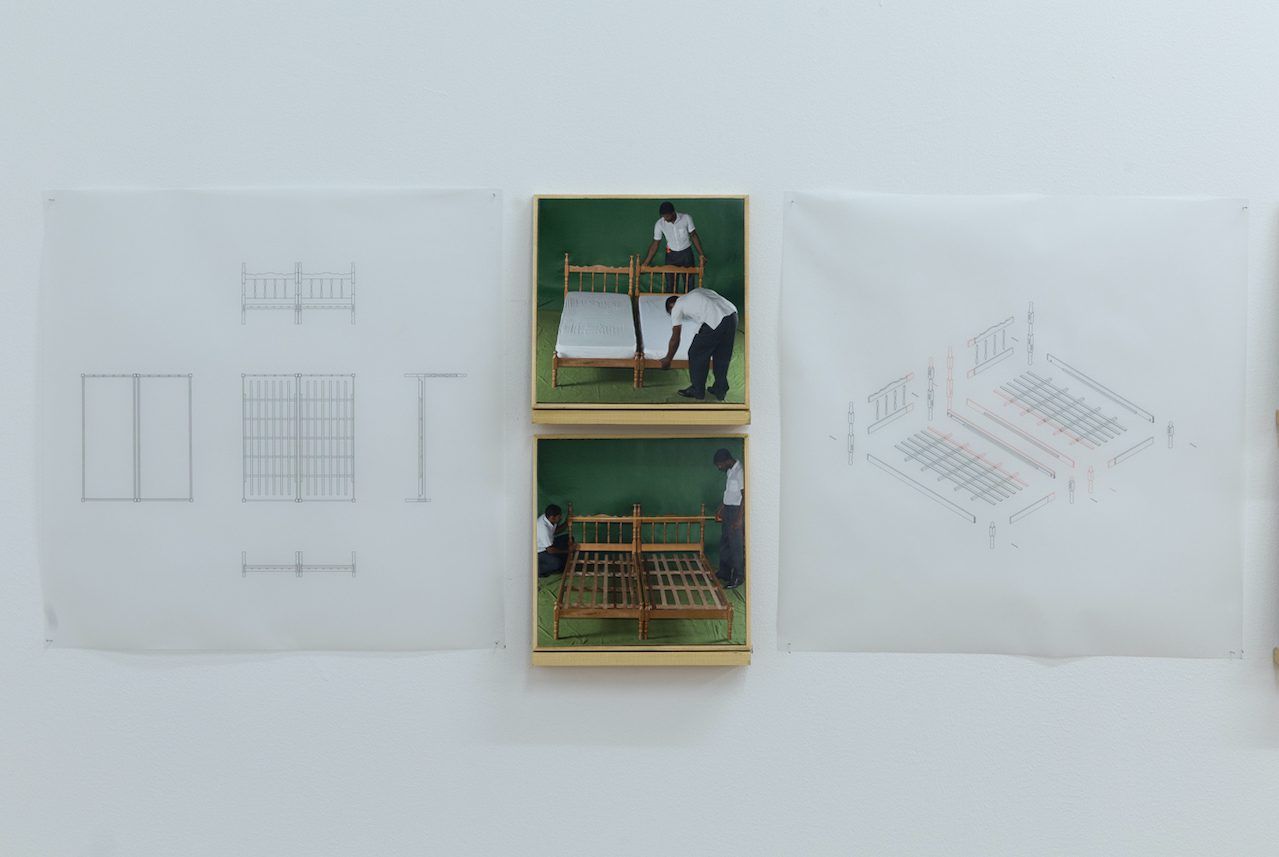
In Jonathas de Andrade’s seminal work 2 em 1 (2 in 1, 2010), the artist uses the perfunctory logic of an instruction manual to point to a love that is forced to conceal itself within impersonal gestures and aesthetics. A process of building an intimate domestic unit through the apparently mechanical movements is an exercise in camouflage, persistence and the cumulative action of building a whole from two – a queer sensibility of survival.
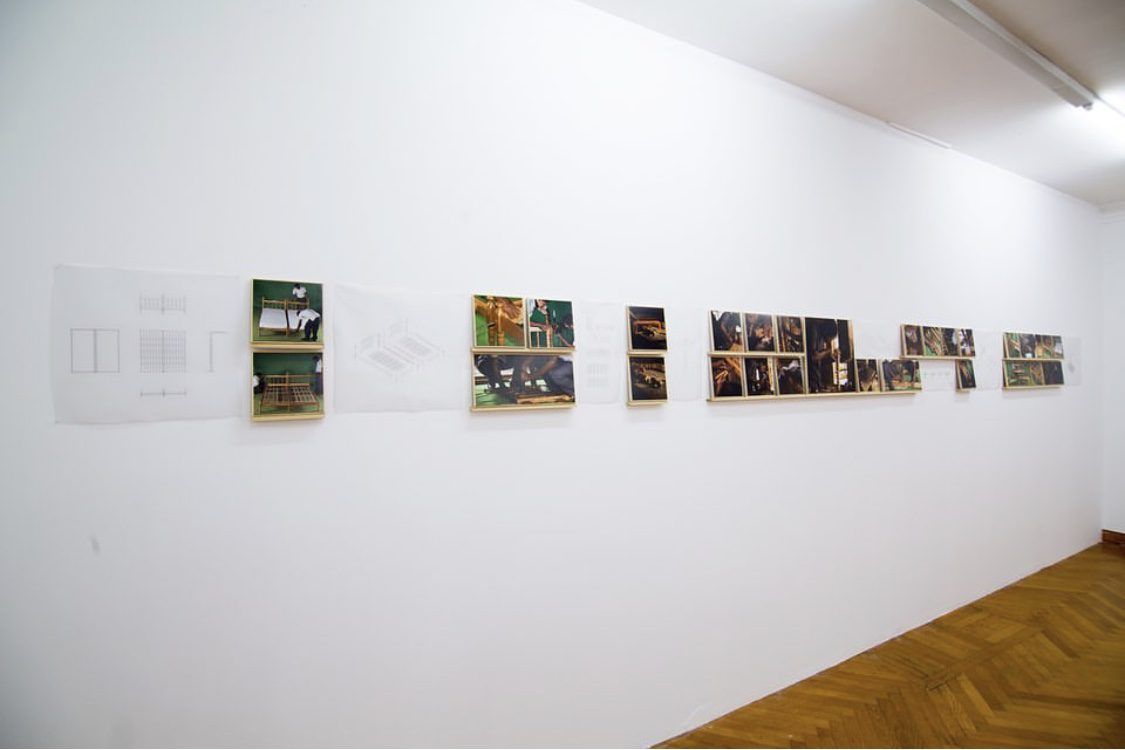
Jonathas de Andrade, 2 em 1 (2 in 1), 2010. Installation view of the group show Codes of Coupling at Gypsum Gallery Cairo.
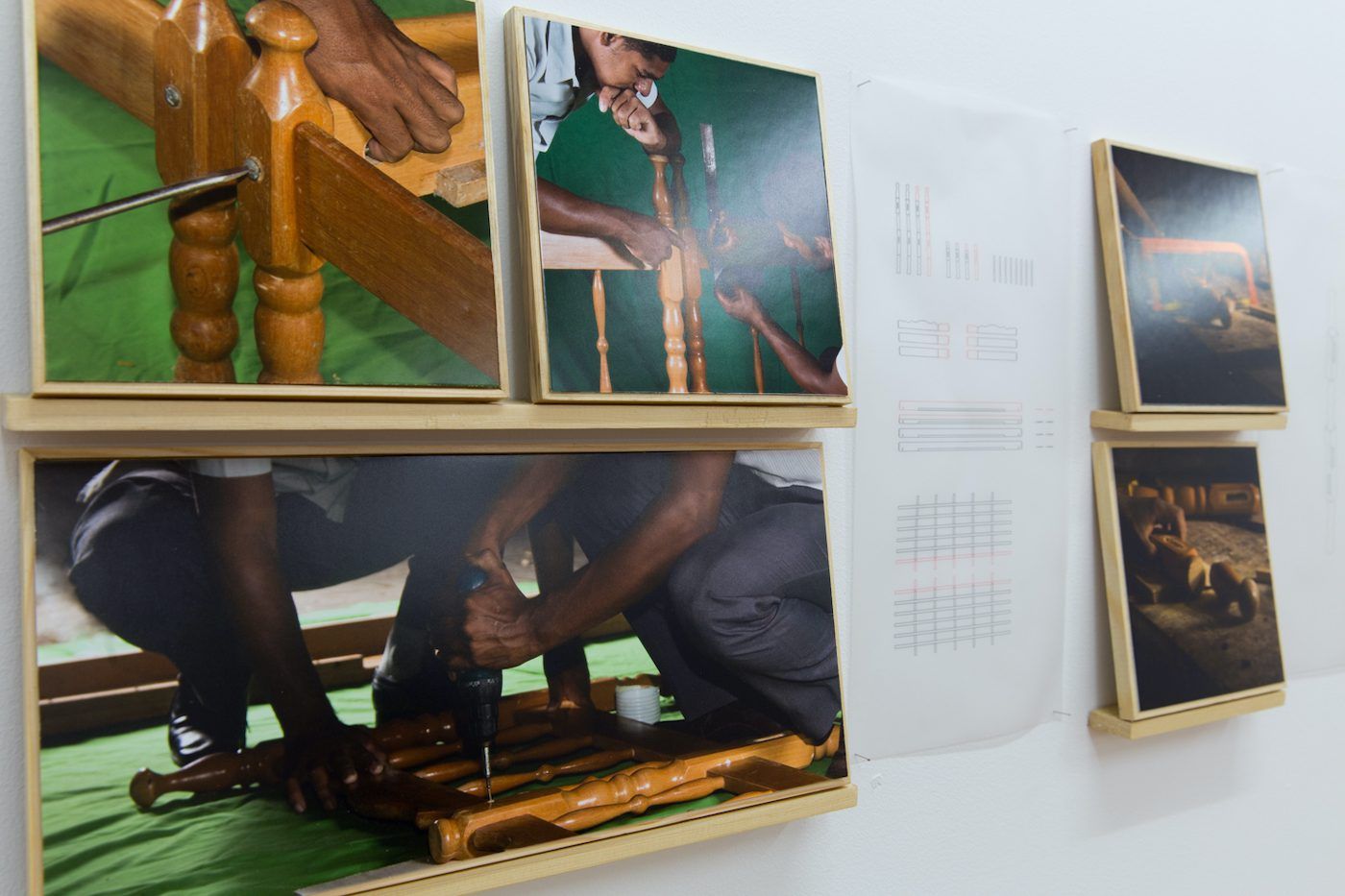
Jonathas de Andrade, 2 em 1 (2 in 1), 2010. Installation view of the group show Codes of Coupling at Gypsum Gallery Cairo.
Untitled Extracts (2020) is a photographic installation by nasa4nasa where the duo uses different spaces as alternative stages to circulate dance. nasa4nasa use their bodies to create figurative compositions that highlight the theatricality of the space they occupy. And in other images, the focus is shifted towards the functionality of these space and their therapeutic purposes, where the bodies as performative tools become redundant. The duo’s photographs document the moments when the ephemerality of dance is frozen into a curated feed of images that highlight the visual aesthetic the collective has acquired. They use Instagram as an artistic platform and their practice is shaped by the limitations and rules it sets for them.
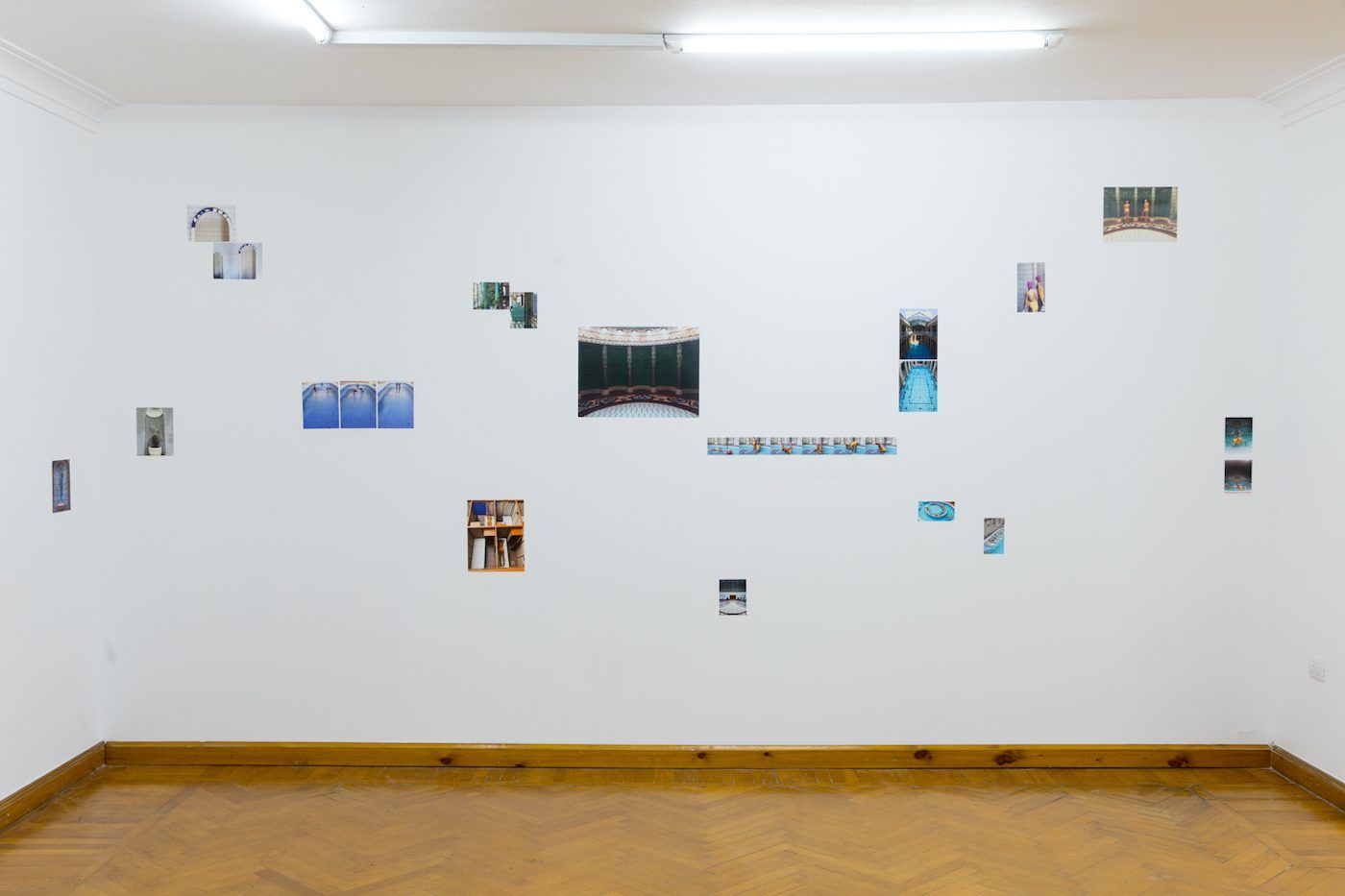
nasa4nasa, untitled extracts, 2020. Archival injekt print. Installation view of the group show Codes of Coupling at Gypsum Gallery Cairo.
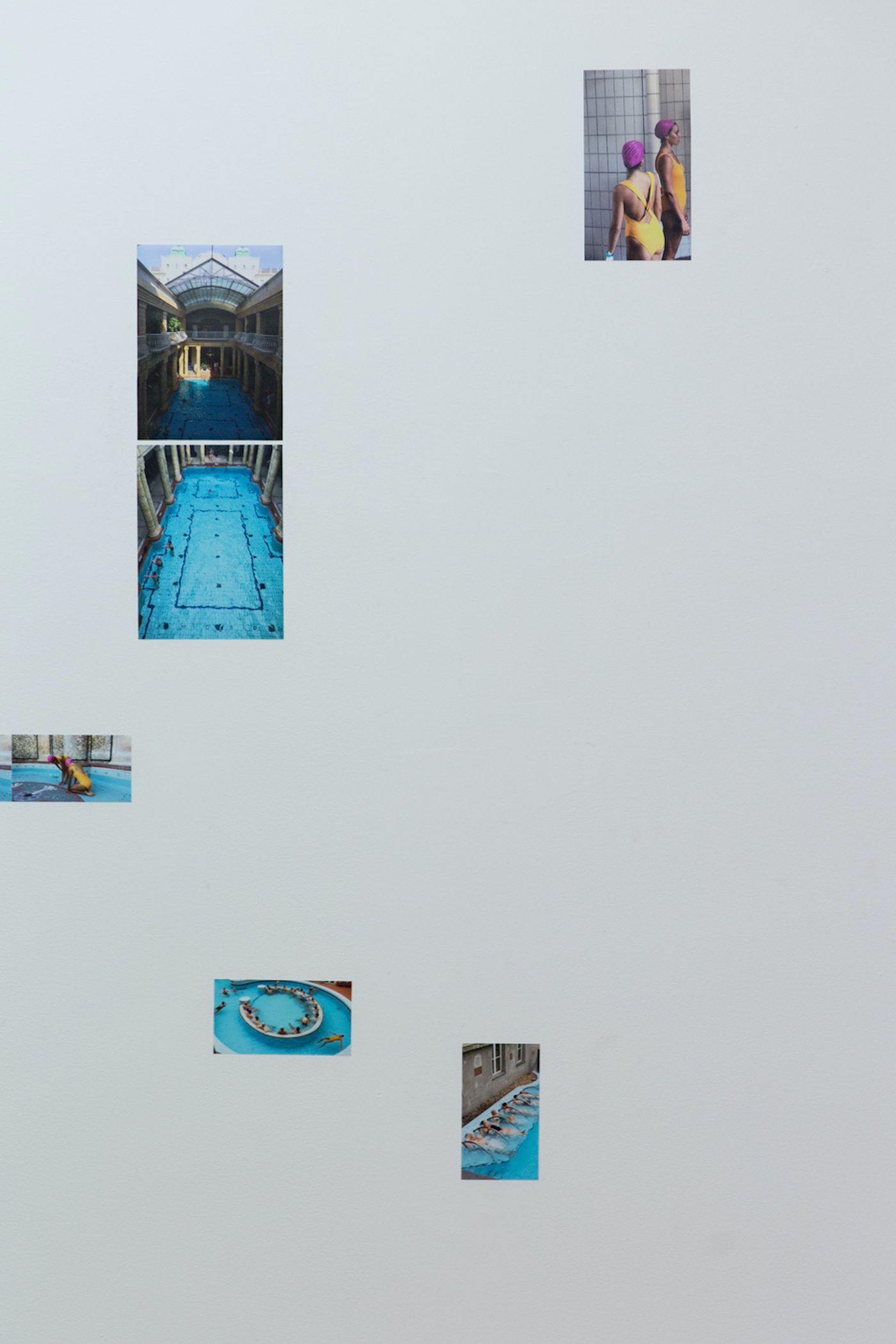
nasa4nasa, untitled extracts, 2020. Archival injekt print. Installation view of the group show Codes of Coupling at Gypsum Gallery Cairo.
In his film it was related to me (2011), Mohammad Shawky Hassan meditates on the complex relationship of two brothers, exploring the interplay of notions of brotherhood, patronage, masculinity, and sexuality. The film features iconic voiceovers sampled from popular television programs. They create a parallel stream of a moralistic consciousness and a sensibility that infuses and informs the majority of deep social interactions in an Egyptian context.
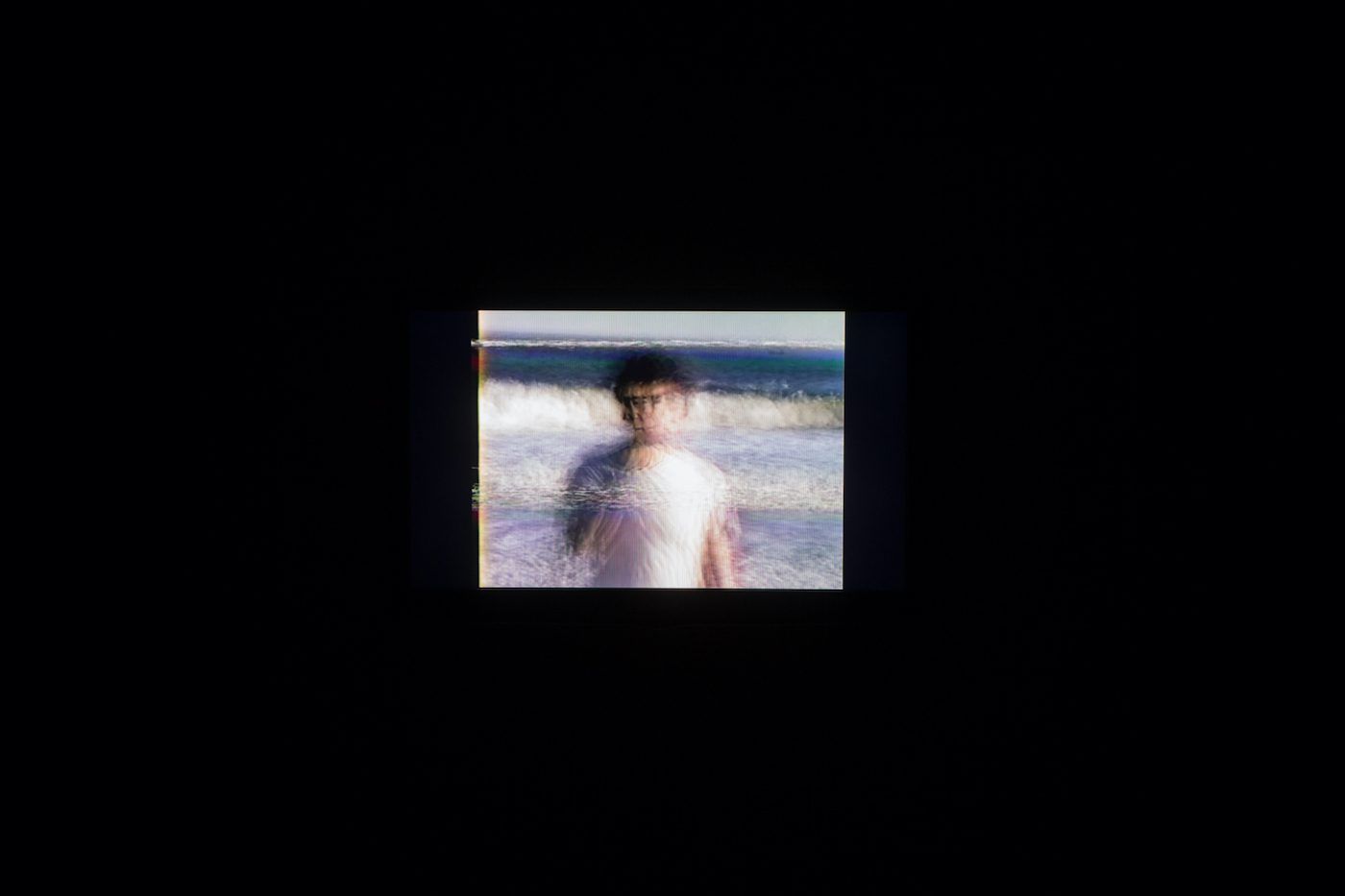
Mohammad Shawky Hassan, it was related to me, 2011. Installation view of the group show Codes of Coupling at Gypsum Gallery Cairo.
Vista de la exposición
‘In Minor Keys’ Schools at the 61st Venice Biennale
Investec Cape Town Art Fair 2026
The 36th São Paulo Biennial
Vista de la exposición
Jazsalyn’s A(spora): On the Gullah Geechee Corridor
Bernice Mulenga’s LMK WHEN U REACH