Wambui Wamae Kamiru Collymore: Wakariru
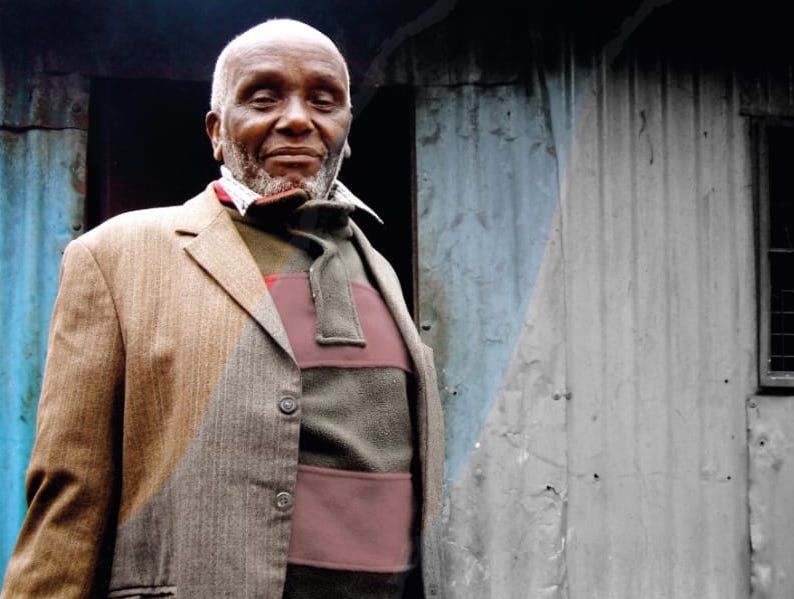
Wambui Wamae Kamiru Collymore: Wakariru
21 Mars 2019
Clôture: 30 avril 2019
Wakariruis an exhibition about the destruction of language for everyday things and the accompanying loss of orally documented knowledge. It looks at memory and the forgotten history of the role of women in the Mau Mau war.
In a conversation between the artist and her grandmother, the artist demonstrates how knowledge is inherent in the naming of an object and how this oral knowledge is passed down from generation to generation. In using a common object – beans, the artist metaphorically demonstrates the importance of naming objects. In the forgetting/dismembering of this everyday language, the purpose of the object and its value is lost. The conversation is then translated through dialogue with the artist and her daughter, translating the words from Kikuyu to English and within this, the loss of knowledge is apparent.
This conversation takes place within a traditional and familiar monument of memory, an outside cooking shed, karirko (small kitchen) where only women and young children are privy to the conversations and oral knowledge within.
On three sides of this structure – the kariko, are projections of a lonely, solemn figure delivering a letter to monuments of British History that are tied to Kenya’s colonial period. The female figure delivers a message to each of the monuments, devoid of human interaction in the way that Kenya’s colonial past with the UK is devoid of a personable relationship. The letters bear the demand for information on where the remains of Kenya’s most respected war hero, Dedan Kimathi are buried. A former Mau Mau (KLFA) War Veteran, Mukami Kimathi, passed on this request to the artist. The request for this information was to be delivered to the Queen of England.
On the wall are 12 faceless portraits of Kenyan women who fought in the Mau Mau war, each labeled with the work they carried out for the freedom of Kenya. The labels dispel the recent common recollection of history that women were not part of the war and that if they were, there were only a small number of them. Kenya’s history from this period of time is very much orally disseminated.
At three points in the room, the folk song, Wakariru plays over tin can phones. The song persuades the solemn figure in the projection to hurry and deliver the letters. Wakariru was sung by Kikuyu women as they went about their chores. The song is commonplace across the community, however, for many today, the words have been lost over time and what remains is the tune. This is a true definition of the idea of “broken telephone.”
This work has been realized through a partnership with the Mukami Kimathi Foundation. Please see the ongoing archive of faces from the war here: www.maumau.co.ke
Born and raised in Kenya, Wambui has been developing artwork around the themes of colonialism, identity and independence in Africa. Originally a painter, Wambui now expresses her work through installation. Wambui holds an MSc. in African Studies with a focus on Kenyan History from the University of Oxford. She lives and works in Nairobi. More about the artist here: www.wambuikamiru.com
Plus d'articles de
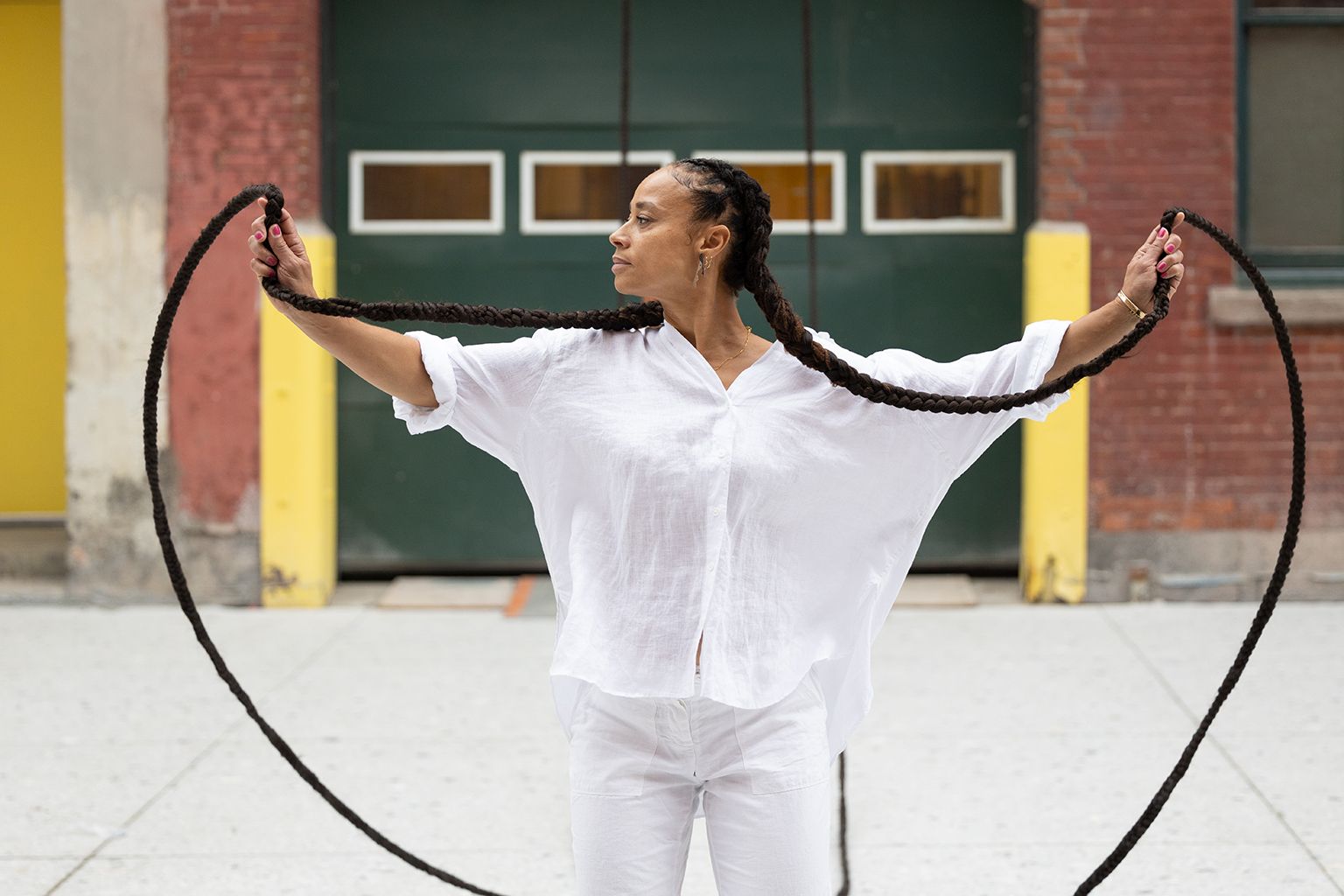
Beyond Representation
7 déc. 2023–31 déc. 2026
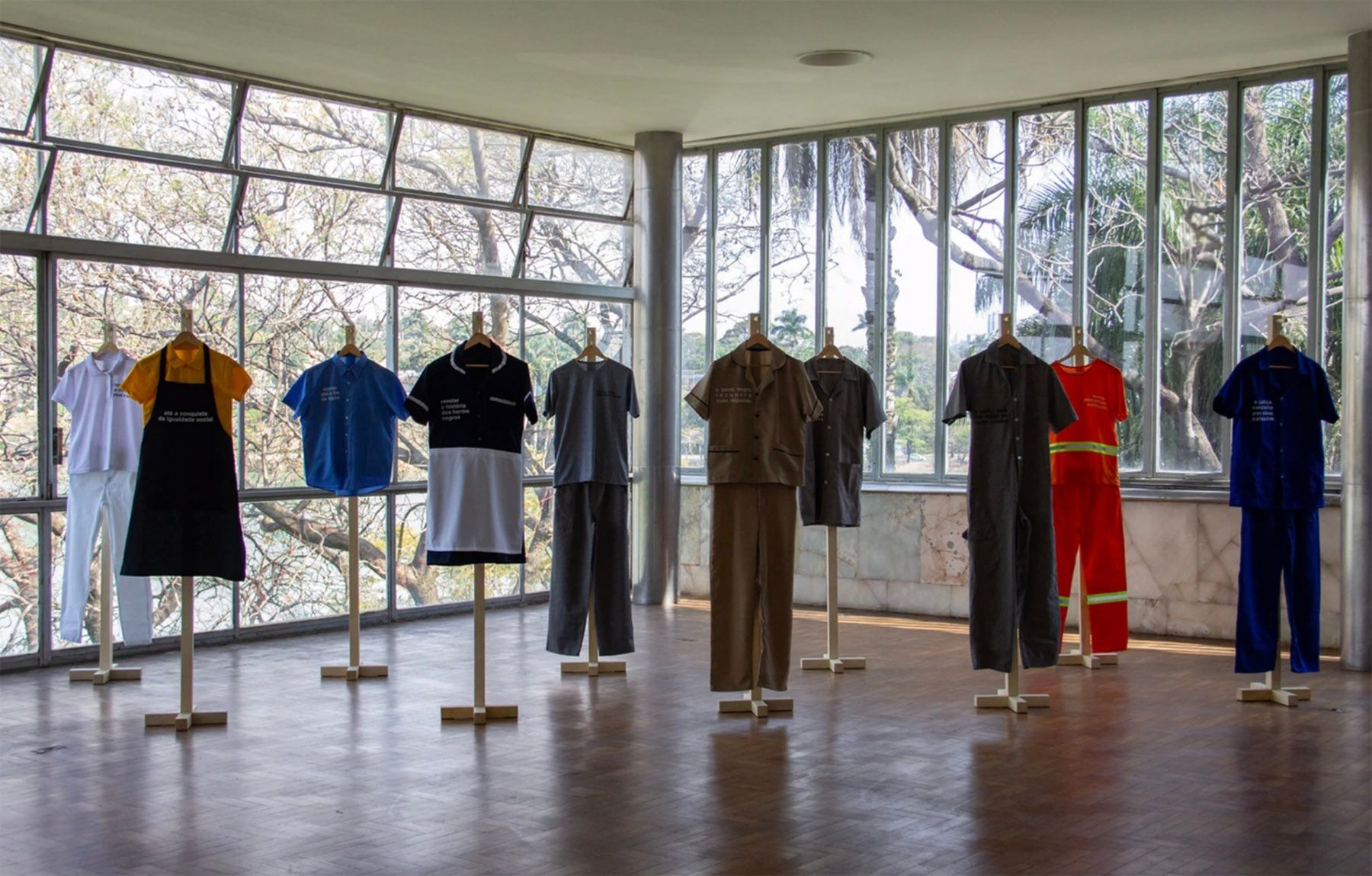
Dignidade e luta: Laudelina de Campos Mello
16 mai–22 nov. 2026
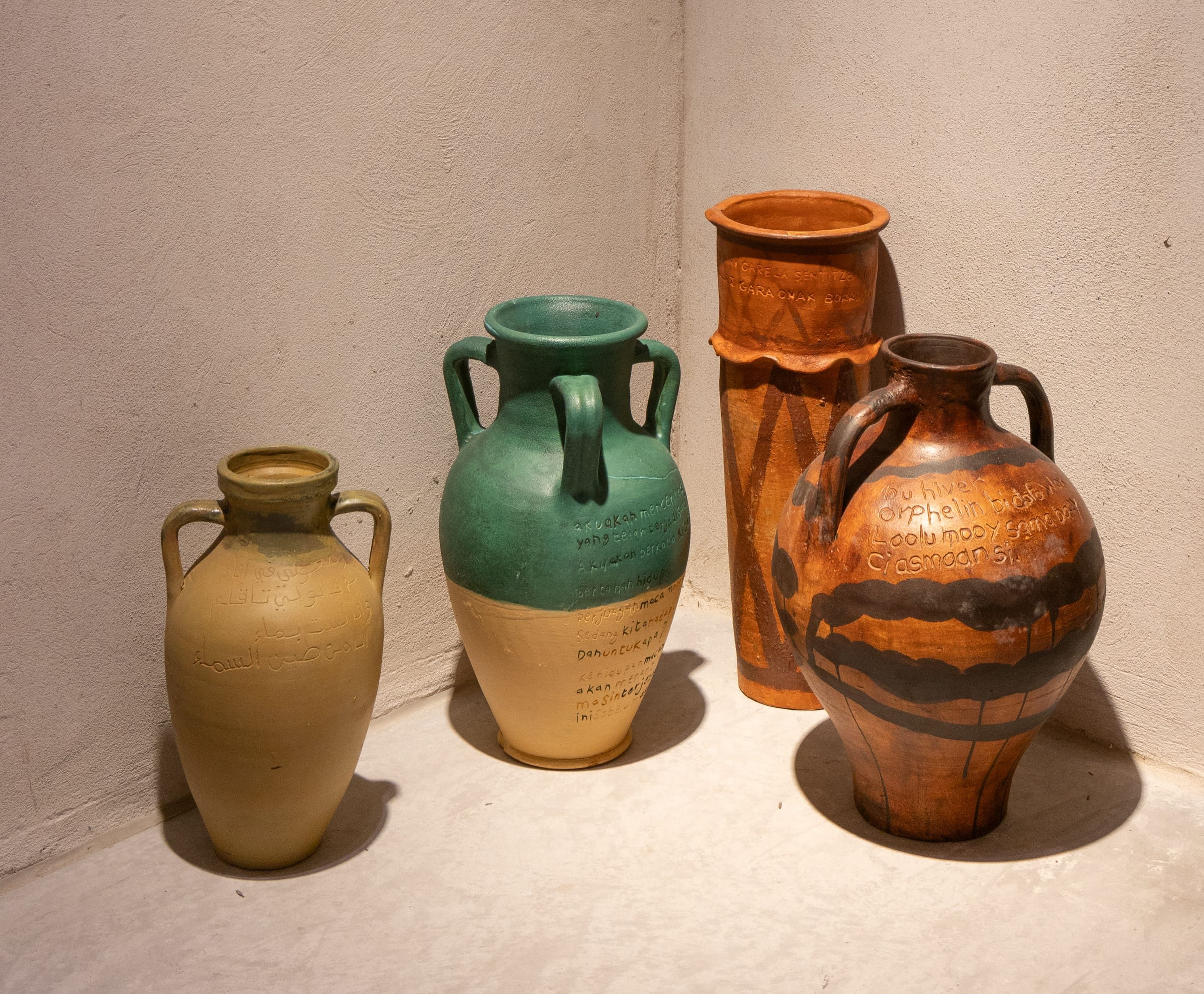
M’barek Bouhchichi: Les mains des poètes
24 avr.–17 oct. 2026

Cecilia Vicuña - The vanished glacier
30 avr.–20 sept. 2026
Dancing the Revolution
11 avr.–20 sept. 2026
The Object of Power is Power
6 mai–20 sept. 2026